Extension Agronomy eUpdate: Issue 1123: October 1, 2026
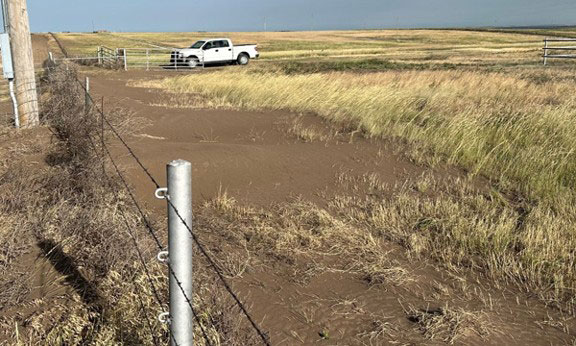 |
Management Considerations Before Baling Corn ResidueCorn residue has value both in the bale and on the field. Leaving adequate residue can reduce wind and water erosion, improve water infiltration, limit evaporation, and recycle significant amounts of nutrients back into the soil. Weigh these benefits before deciding how much residue to remove this fall. |
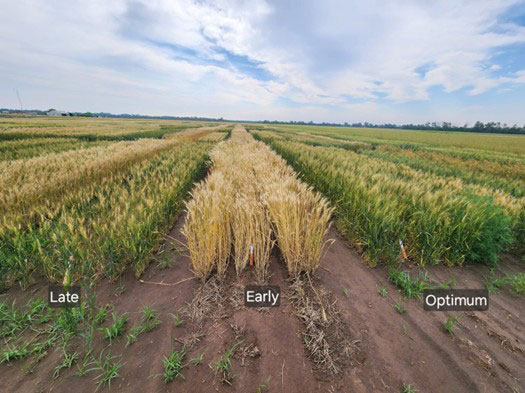 |
Management Adjustments When Planting Wheat LateRecent rains and ongoing summer crop harvest have pushed wheat planting later than planned for some Kansas producers. Increasing seeding rates is one of the most important adjustments for late-planted wheat, but proper planting depth, starter phosphorus, and seed quality also become increasingly important. Here’s what to consider before the drill goes back to the field. |
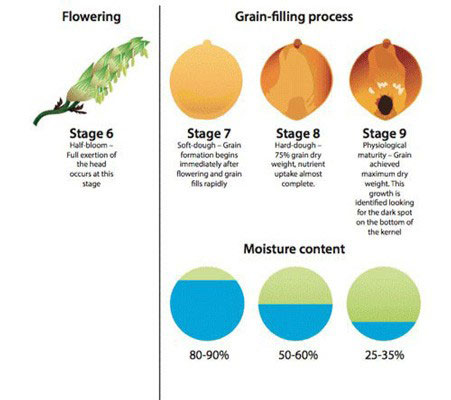 |
Rate of Dry Down in Grain Sorghum Before HarvestHow quickly will grain sorghum dry down before harvest? The answer depends heavily on temperature, humidity, grain moisture at maturity, and when the crop reaches black layer. Review K-State research on sorghum dry-down rates and the factors that can speed up or slow down the process. |
Fall Soil Sampling: Sample Collection and Submission to K-State Soil Testing LabAfter harvest is an excellent time to collect soil samples and assess fertility needs for the next crop. Proper collection, handling, and submission are essential for getting useful results from the laboratory. Review K-State recommendations for sampling depth, number of cores, sample storage, and submitting samples to the K-State Soil Testing Lab. |
|
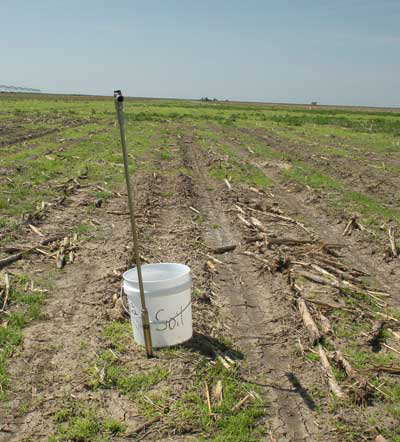 |
The Challenge of Collecting a Representative Soil SampleA soil test is only as good as the sample it represents. Variability within a field, sampling depth, the number and location of cores, and previous fertilizer placement can all influence soil-test results. Learn how to collect a representative composite sample that provides a sound basis for fertility decisions. |
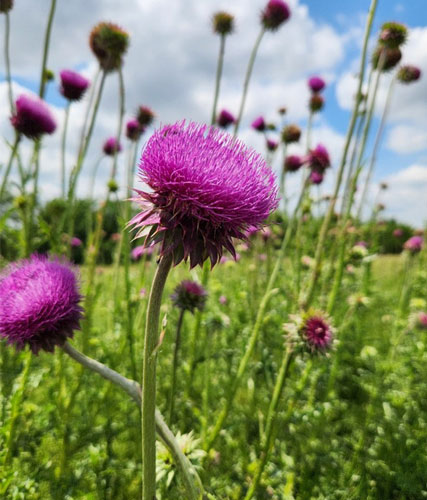 |
Herbicide Control of Biennial Weeds in the FallFall is an excellent time to control biennial weeds such as musk thistle, teasel, and common mullein while plants are still in the rosette stage. Once these weeds bolt next year, effective herbicide control becomes much more difficult. Scout problem areas now and take advantage of this fall control window before the first hard frost. |
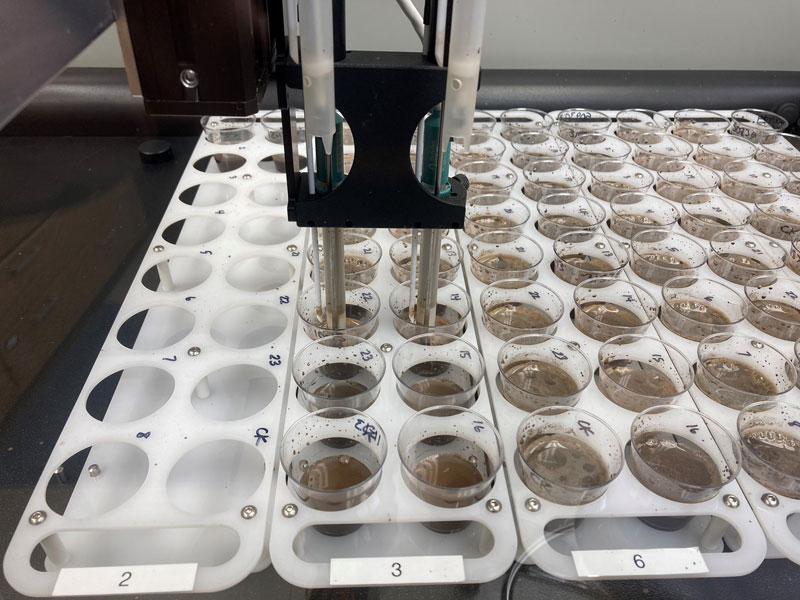 |
Understanding Nutrient Testing in Agriculture: Extraction vs. DigestionSoil, manure, compost, forage, and other agricultural materials can all be tested for nutrients, but the analytical method matters. A soil-test extraction should not be interpreted the same way as a total nutrient digestion. Learn the difference between extraction and digestion and why it matters. |
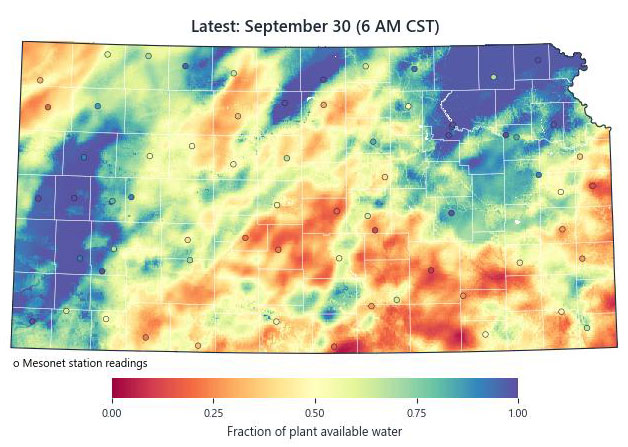 |
Kansas Soil Moisture Update – September 30, 2026Recent rainfall has dramatically changed the soil moisture picture across Kansas. The largest gains occurred in western and central Kansas, pushing statewide plant available water above average for this time of year. See where soil profiles have recovered and where drier conditions remain. |
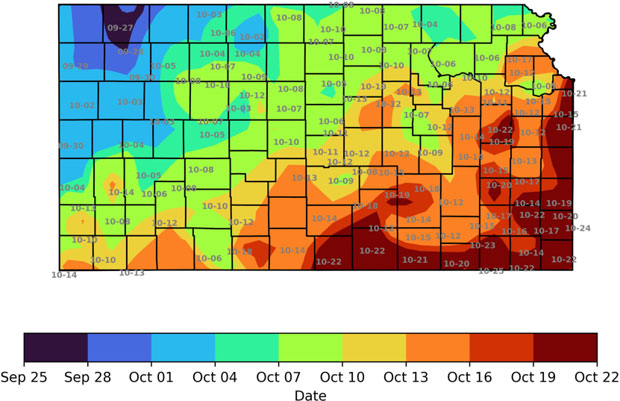 |
Warm Temperatures: A Record-Setting September in KansasSeptember 2026 was exceptionally warm across Kansas, with every day of the month averaging above normal. Preliminary Kansas Mesonet data put the statewide average temperature at 76.8°F, which would make this the warmest September on record if confirmed. Take a closer look at the records set during an unusually warm start to fall. |