Extension Agronomy eUpdate - Issue 1109: June 25, 2026
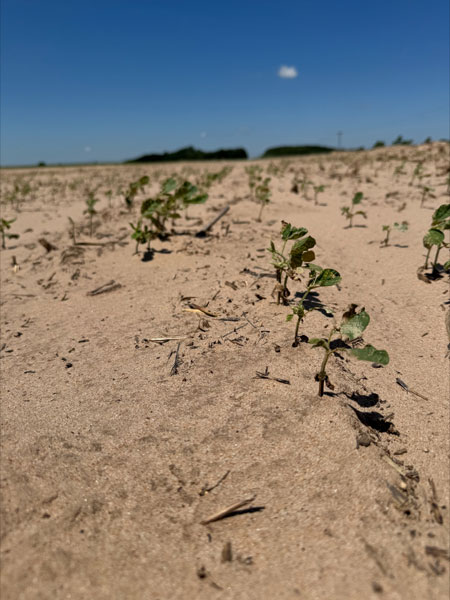 |
Consider The Value of Soil Residue Before Baling or Burning Wheat StubbleBefore burning or baling wheat stubble, consider what that residue is worth. Wheat residue helps protect soil from erosion, conserves moisture, and returns valuable nutrients to the soil. This article reviews the tradeoffs to help guide post-harvest residue management decisions. |
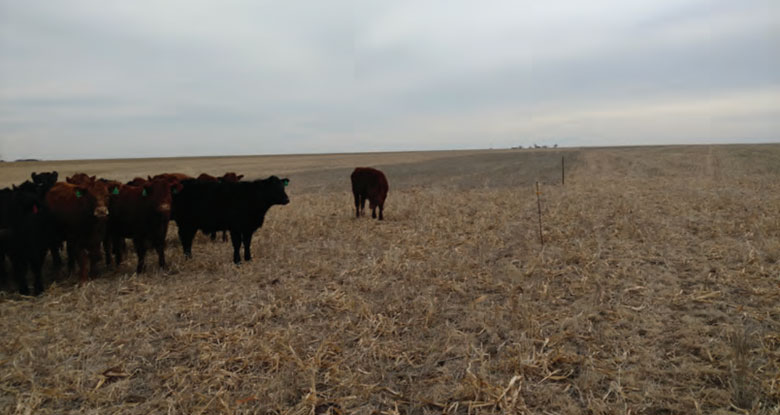 |
Cover Crops Grown Post-Wheat for ForagePost-wheat cover crops can help fill late-season forage needs while providing important soil health benefits. Learn which species perform best, how much grazing to expect in dryland systems, and why flexible stocking rates and proper grazing timing are essential for success. |
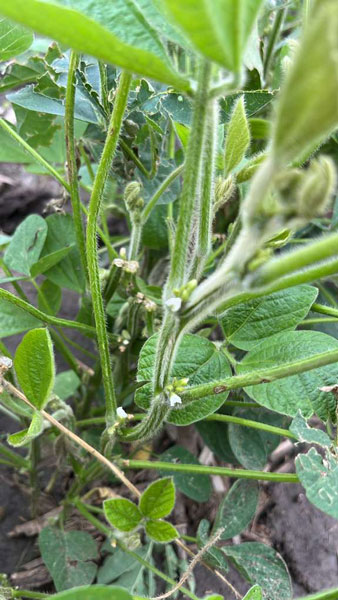 |
Herbicide Application Cutoffs for Flowering SoybeansAs soybean fields move into reproductive growth, application windows for many postemergence herbicides are closing. This article provides a quick reference for key herbicide growth stage cutoffs and highlights weather-related restrictions that can further limit application opportunities. |
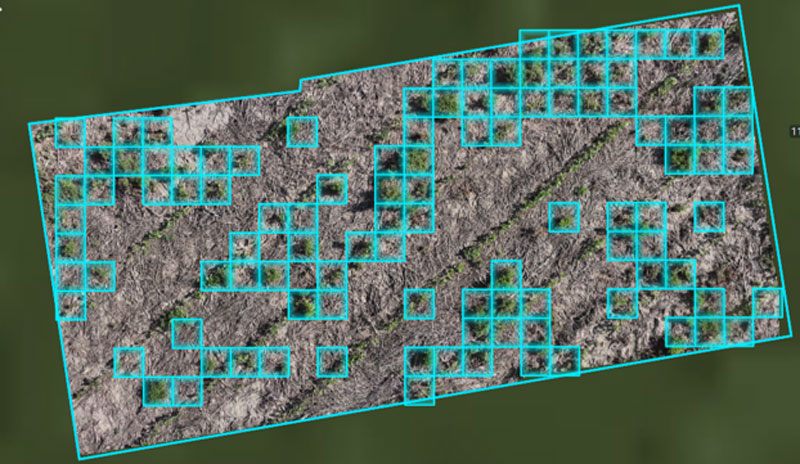 |
Drone Imagery and Artificial Intelligence for Weed Mapping and Postemergence Herbicide ApplicationsApplying herbicides only where weeds are present can save money without sacrificing weed control. This article discusses how drone imagery and AI-generated weed maps support targeted applications and includes economic examples comparing broadcast and site-specific spraying. |
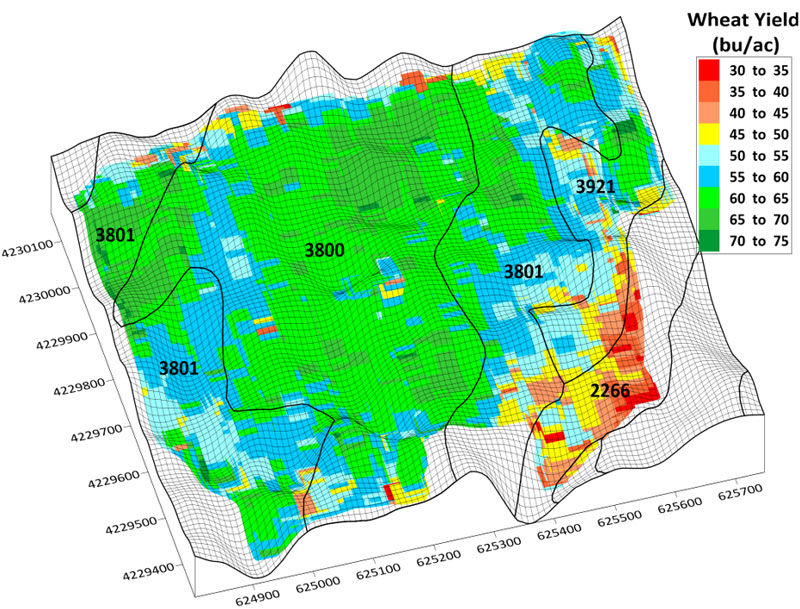 |
Beyond Yield Maps: Integrating Yield, Soil, and Topography for Full Field InsightDon't stop at the yield map. By adding soil type and topographic data, producers can better understand the factors driving yield variability across a field. Learn how multiple data layers can improve management decisions through a real-world Kansas example. |
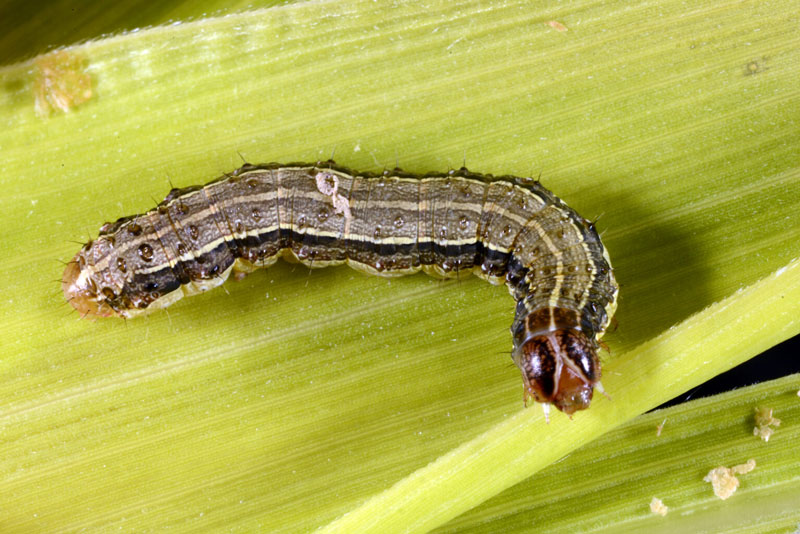 |
Fall Armyworms are Now Active in KansasDon't wait until fall armyworm damage is obvious. Most feeding occurs during the later larval stages, making early detection essential for effective management. This article includes the latest Kansas trap counts and treatment thresholds for corn, sorghum, alfalfa, wheat, and pasture. |
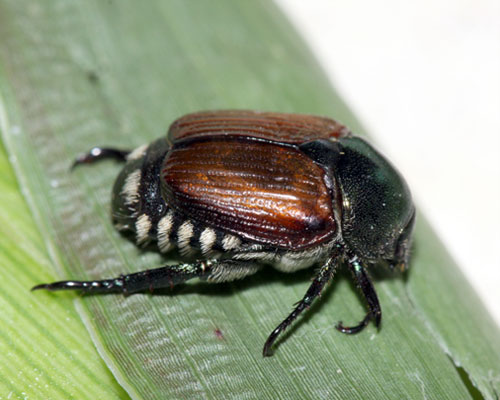 |
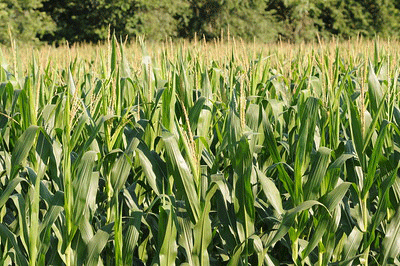
Watch for Japanese Beetle Activity in Corn and Soybean FieldsJapanese beetles continue to expand across Kansas and can be found in corn and soybean fields during the summer. Adults can clip corn silks during pollination or defoliate young soybeans, but economic damage depends on crop stage and the amount of feeding. |
 |
Registration is Open for the 2026 K-State/KARA Summer Field SchoolLooking to sharpen your agronomic knowledge this summer? Join K-State and the Kansas Agribusiness Retailers Association for the 2026 Summer Field School, featuring two identical two-day sessions. The program will feature practical, field-based training on corn and grain sorghum production, fertility, precision agriculture, crop protection, and more. |
 |
Join the Conversation on Bio-Stimulants – Take this Short SurveyWhat role do bio-stimulants play in Kansas agriculture? K-State is inviting farmers, crop consultants, researchers, and agricultural professionals to share their experiences through a brief survey. The results will help guide future research and Extension efforts. |