Extension Agronomy eUpdate - Issue 1121: September 17, 2026
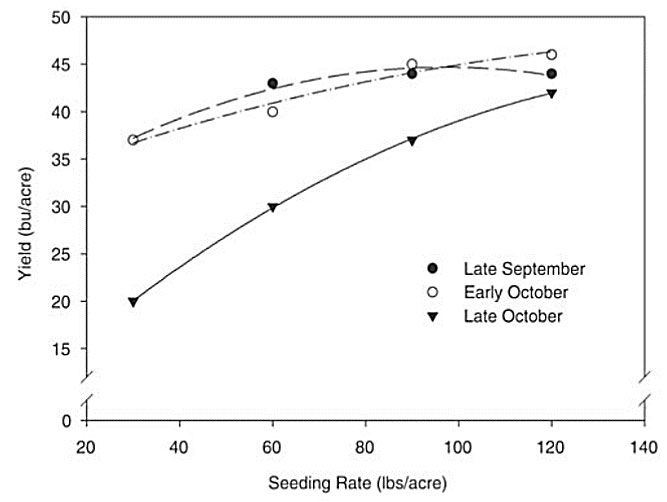 |
Management Considerations for No-Till Wheat Following a Summer Row CropWith fall harvest progressing, some producers may be considering planting wheat directly into freshly harvested corn, sorghum, or soybean residue. Variety selection, planting date, seeding rate, residue management, fertility, and herbicide history can all influence success. Review these management considerations before planting wheat behind a summer row crop. |
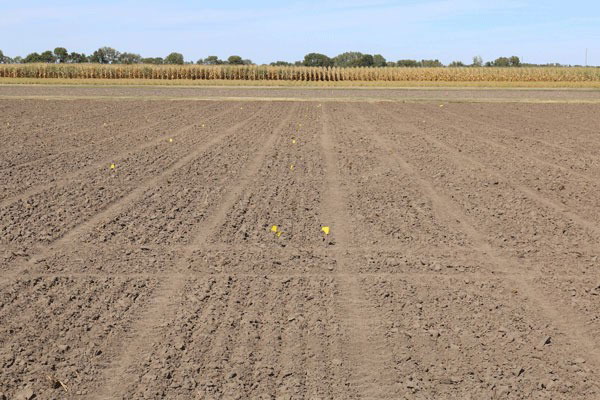 |
Considerations When Planting Wheat into Dry SoilWheat planting is approaching, but adequate soil moisture isn't guaranteed in many Kansas fields. Planting into dry soil requires balancing planting date, seeding depth, available moisture, seeding rate, and the possibility of delayed emergence. Review three strategies producers can consider under current conditions. |
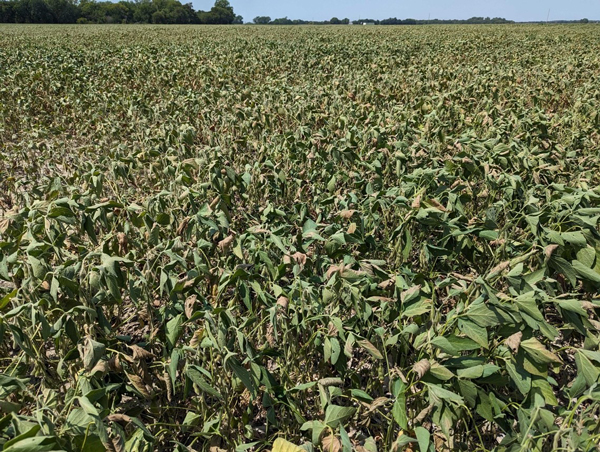 |
Check Herbicide Label Before Using Soybeans for Livestock FeedThinking about using drought-stressed soybeans as livestock forage? Herbicides applied earlier in the growing season may determine whether those plants can legally be grazed, hayed, or fed to livestock. Check the label first and review this summary of restrictions for commonly used soybean herbicides. |
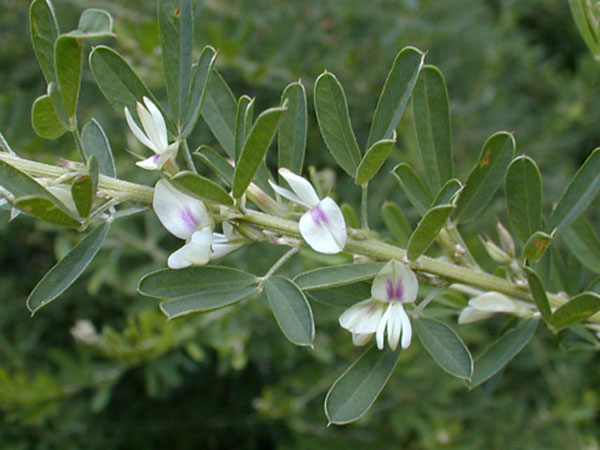 |
Options for Late Season Sericea ControlLate summer and early fall offer another window for managing sericea lespedeza in Kansas rangelands. Prescribed fire and grazing can reduce seed production, while herbicide options change as plants reach later growth stages. Review the management tools available now and how to build on them next season. |
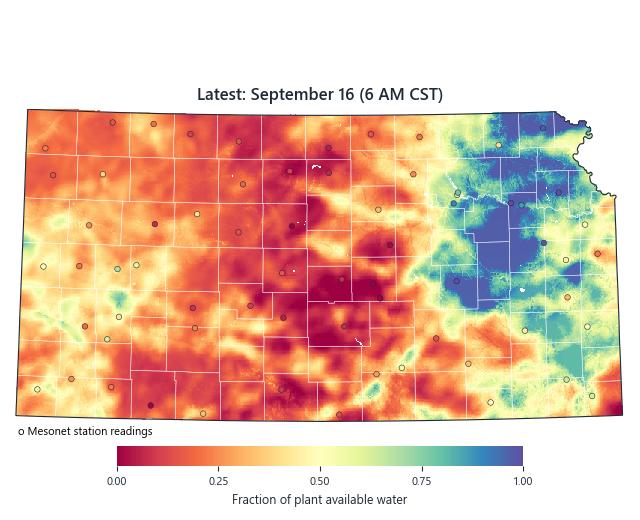 |
Kansas Soil Moisture Update – September 16, 2026This week, we're introducing a new eUpdate feature tracking plant available water across Kansas. The latest maps show where soil moisture improved following recent rainfall, where dry conditions persist, and what conditions could look like by October 1 without additional precipitation. |
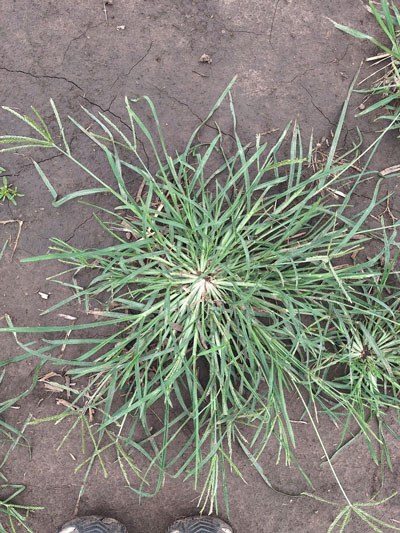 |
World of Weeds – GoosegrassThis month's World of Weeds takes a closer look at goosegrass, also known as silver crabgrass. Learn how to distinguish it from crabgrass, where it thrives, and why herbicide resistance makes integrated weed management increasingly important. |
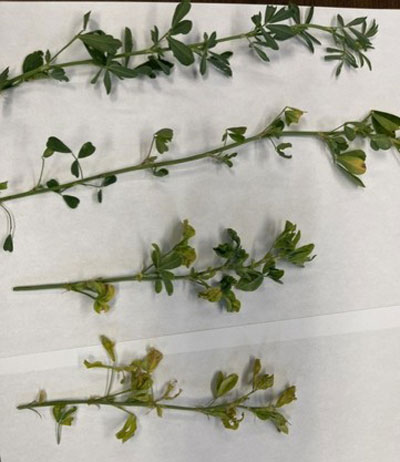 |
Insect Update: Potato Leafhoppers in Soybeans and AlfalfaPotato leafhoppers remain active in Kansas soybeans and alfalfa and will likely stick around until colder temperatures trigger their southward migration. While feeding generally causes little damage in soybeans, alfalfa can suffer significant injury, especially after the final cutting when plants need to rebuild root reserves for winter. |