Extension Agronomy eUpdate-Issue 1108: June 18, 2026
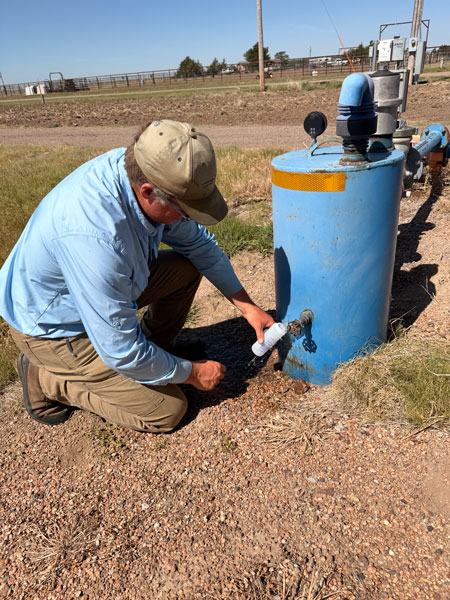 |
Saving Fertilizer Dollars: Nitrate Testing Irrigation WaterIrrigation water may be supplying more nitrogen than you realize. Learn how a simple nitrate test can help account for nitrogen already being applied through irrigation, potentially reducing fertilizer costs while protecting groundwater quality. |
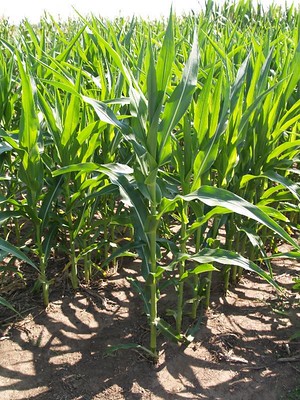 |
Late-Planted Corn in North Central and Eastern Kansas: Hybrid Selection and Crop Insurance ConsiderationsFor corn producers in north-central and eastern Kansas facing late planting or replant situations, hybrid maturity can significantly affect end-of-season risk. See how planting date influences the odds of reaching physiological maturity before a killing frost. |
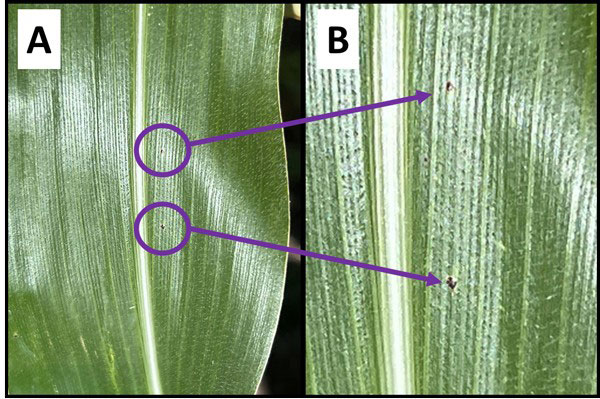 |
Low Levels of Tar Spot Confirmed in Kansas for the 2026 Corn SeasonRecent weather conditions have favored tar spot development, and low levels of the disease have already been confirmed in Kansas. Learn how to identify tar spot and make informed fungicide decisions based on field conditions and crop growth stage. |
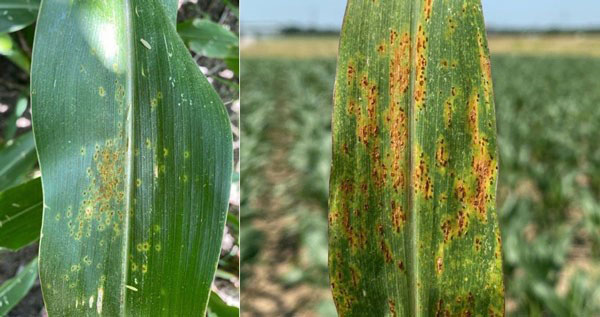 |
Fungicide Considerations and Field Scouting for Corn Diseases in KansasThe most effective fungicide program starts with good scouting. Learn what diseases to watch for this season, how to distinguish fungal diseases from bacterial streak, and when fungicide applications are most likely to pay. |
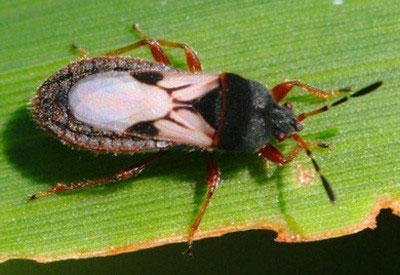 |
Identifying Chinch Bugs and False Chinch BugsChinch bug activity has been elevated in Kansas in recent years, making accurate identification more important than ever. Learn how to distinguish chinch bugs from false chinch bugs and what management steps can help reduce damage in sorghum. |
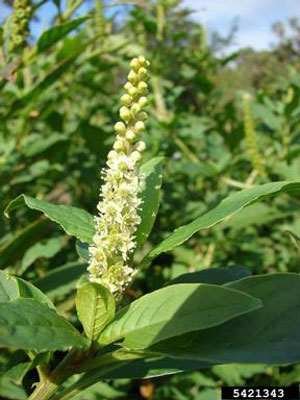 |
World of Weeds: PokeweedThis World of Weeds feature highlights pokeweed, a perennial broadleaf weed that can become difficult to manage once established. Learn how to identify pokeweed, understand its biology, and evaluate management options for crop fields and field margins. |