Extension Agronomy eUpdate - Issue 1124: October 8, 2026
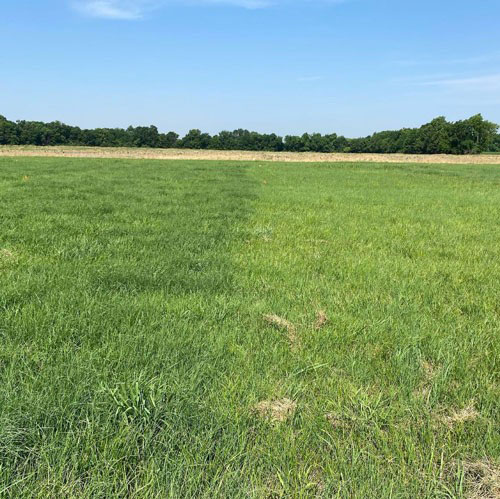 |
Fall Soil Testing of Hayfields and PasturesGood forage fertility management starts with a good soil sample. Fall sampling provides time to evaluate soil pH and nutrient needs and make lime or fertilizer decisions before spring growth begins. Learn how often to sample, how many cores to collect, and the appropriate sampling depths for different nutrients. |
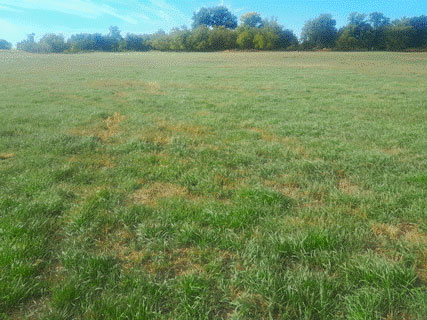 |
Fall Fertilization of Smooth Brome and Tall FescuePlanning to fertilize smooth brome or tall fescue this fall? Fertilizer source, timing, soil moisture, grazing plans, and yield goals can all influence how and when nutrients should be applied. Review current recommendations before making your fall applications. |
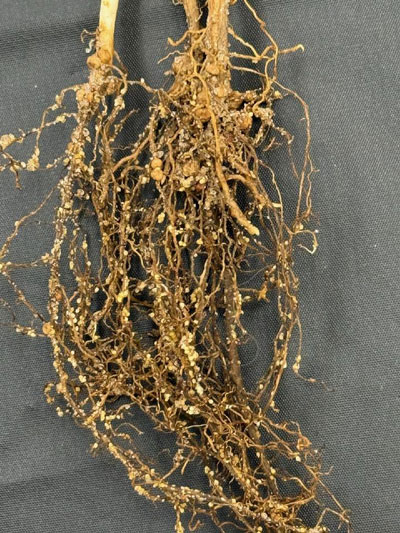 |
Protect Your Soybeans Next Year: Test for Soybean Cyst Nematode After HarvestSoybean cyst nematodes can quietly build up in a field for years before obvious symptoms appear. With soybean harvest underway, now is an excellent time to test fields for SCN and use the results to guide variety and crop rotation decisions for next season. Follow these steps to collect a representative sample. |
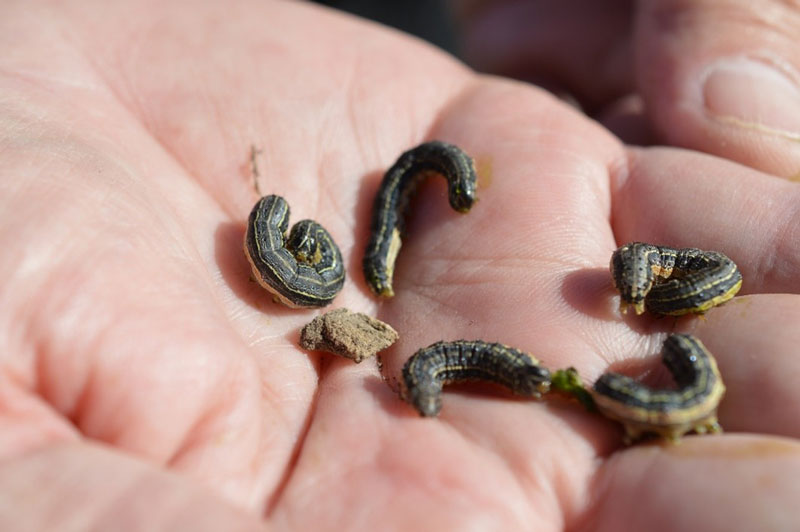 |
Insect Update: Armyworms are Still Active in KansasArmyworms and fall armyworms are still active in Kansas, and newly emerged wheat could provide an attractive food source for the next generation. Producers should begin monitoring wheat fields for small larvae about 7–10 days after germination and continue watching fields until cold weather shuts activity down. |
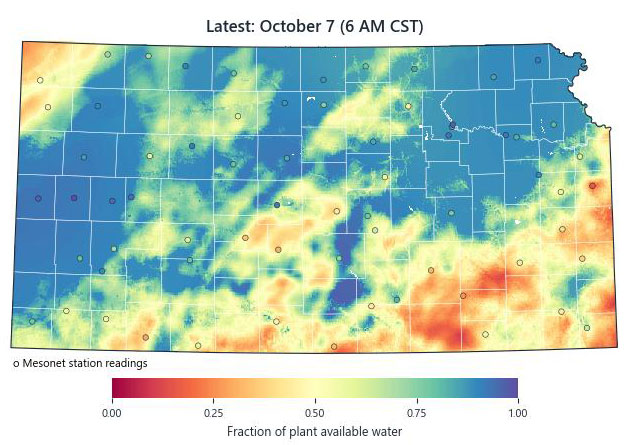 |
Kansas Soil Moisture Update – October 7, 2026Kansas soil moisture continues to rebound after another week of widespread rainfall. The largest gains occurred across western and central Kansas, pushing statewide plant available water well above levels seen just a few weeks ago. See how conditions changed in your area in the latest Kansas Soil Moisture Update. |
 |
Warm Temperatures: A Record-Setting September in Kansas – Part 2The numbers are in, and September 2026 officially made Kansas climate history. In addition to setting a new statewide temperature record, nearly half of the long-term stations evaluated set their own records for warmest September. Take a look at where records fell—and by how much. |