Insect Update: Armyworms are Still Active in Kansas
Armyworms and fall armyworms have been active this year, as usual, but not nearly as active or impactful as in the past couple of years. Both species willingly feed on just about any green plant, but armyworms prefer grasses, such as corn, sorghum, wheat, brome, and turf. However, when grass is unavailable, they are more than willing to consume broadleaf plants such as soybeans, as shown here (Figure 1). Most armyworm larvae are now relatively mature, so they should pupate within a few days. Reminder - fall armyworms don’t overwinter in Kansas. Pupation will last 5-7 days, after which they mature into moths (Figure 2). The moths mate for a few days, then begin depositing eggs on or near green vegetation. This time of year in Kansas, alfalfa and wheat are the only two crops fitting that description. Thus, monitoring wheat fields for small larvae should start in 7-10 days after germination. Armyworm feeding may continue until the first hard freeze, i.e., temperatures into the mid-20˚F for a couple of hours. Some years, armyworms have been active until mid to late November, depending on the weather (Figure 3).
Insecticide seed treatments do not control armyworms well enough to be recommended. Please refer to the 2026 K-State Wheat Insect Pest Management publication for wheat pest questions and recommendations.
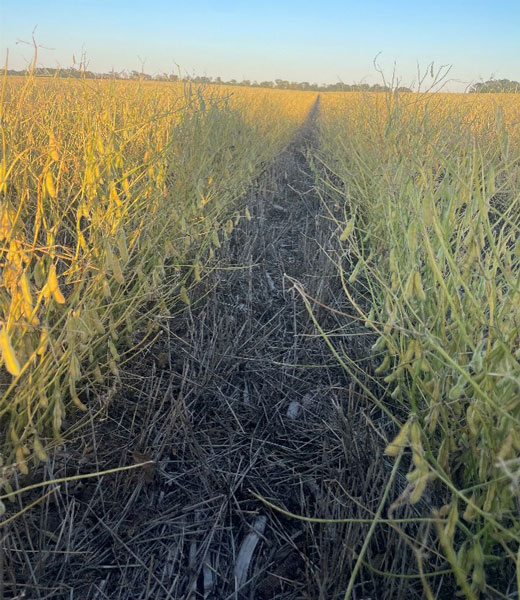
Figure 1. Late-season soybean defoliation. Photo by Court and Chance Blachford submitted by Steve French.
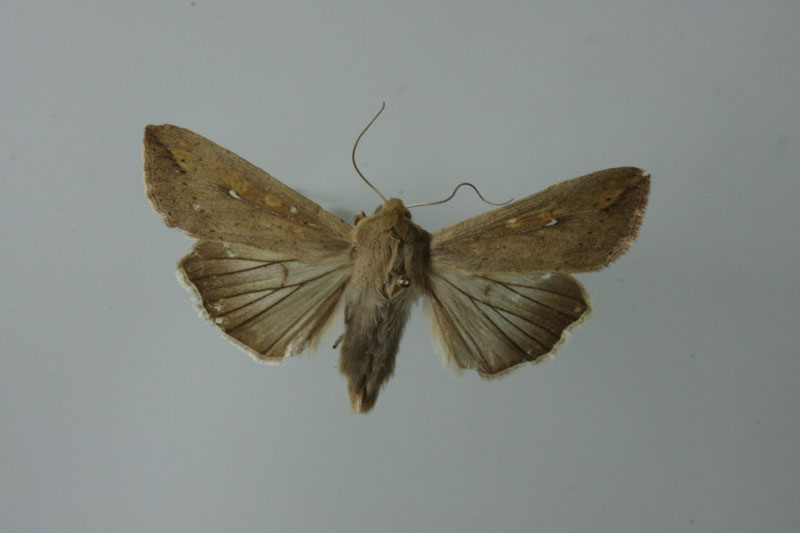
Figure 2. Armyworm adult moth. Photo by K-State Entomology.
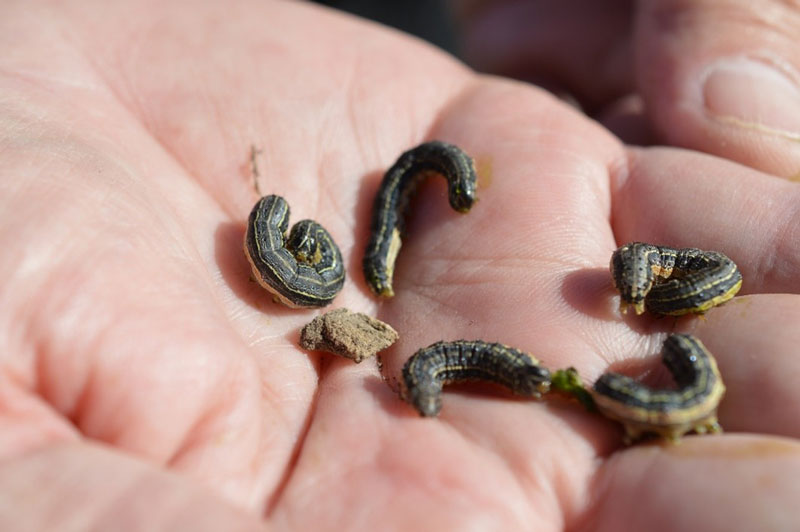
Figure 3. Armyworm larvae collected from a wheat field in Dickinson County on Nov. 29, 2016. Photo by K-State Entomology.
Jeff Whitworth, Extension Entomology Specialist
jwhitwor@ksu.edu