Extension Agronomy eUpdate - Issue 1122: September 24, 2026
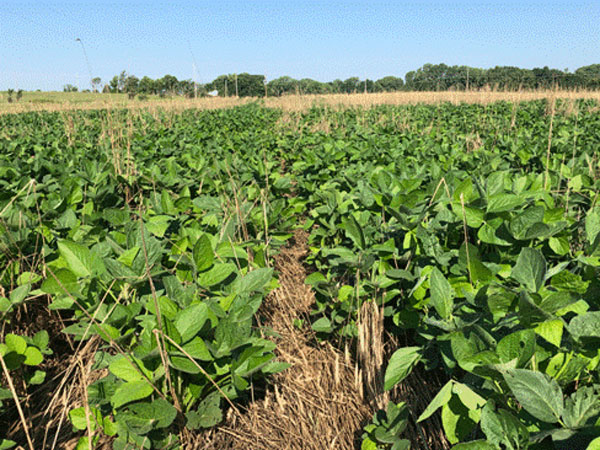 |
Planting Cereal Rye After Corn HarvestThinking about planting cereal rye after corn harvest? This versatile cover crop can provide benefits ranging from weed suppression and reduced erosion to capturing residual nitrogen. Learn how to get cereal rye established this fall and what to consider before planting. |
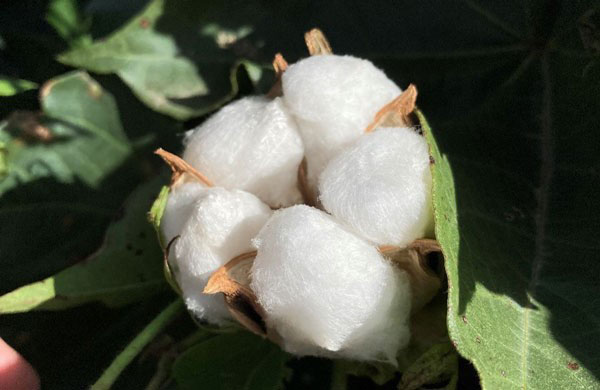 |
Harvest Aid Application Decisions in CottonCotton harvest aid decisions require balancing crop maturity with the limited time remaining before the first fall freeze. Percentage of open bolls, nodes above cracked boll, and seed maturity can all help determine when a crop is ready. Review these timing methods along with harvest aid options and recent Kansas research. |
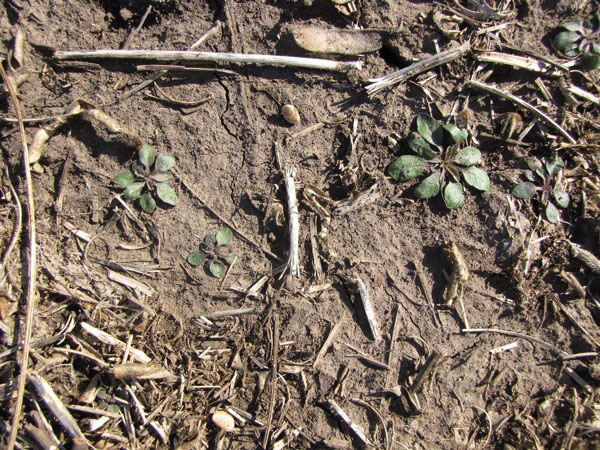 |
Controlling Annual Weeds with Fall-Applied HerbicidesAs row crop harvest progresses, it’s time to start planning fall herbicide applications. Targeting winter annual weeds in late October through November can improve control while weeds are small and may make spring fieldwork easier. Review herbicide options, target weeds, and crop rotation restrictions before applying herbicides. |
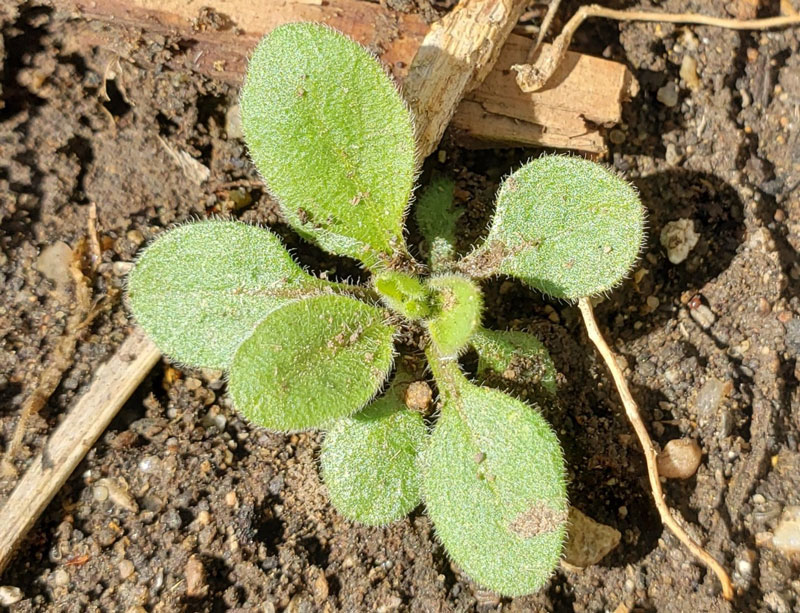 |
Get Control of Fall-Emerged Marestail Before Next SpringOne marestail plant can produce up to 200,000 seeds, and Kansas populations may also be resistant to glyphosate and ALS-inhibiting herbicides. Fortunately, fall-emerged plants are easier to control before they bolt. Now is the time to scout harvested fields and plan a management strategy. |
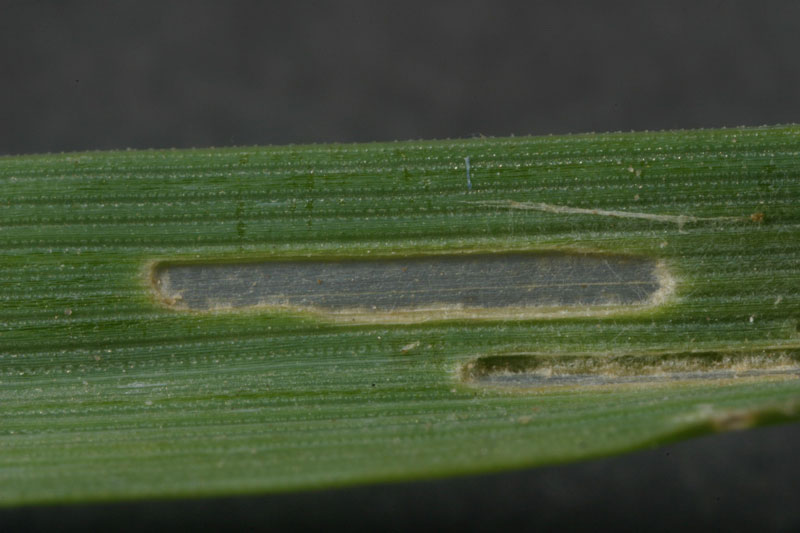 |
Insect Update: Fall Armyworms Continue to Increase and Army Cutworms ArrivingFall armyworm trap counts continue to increase across Kansas, while army cutworm moths are now arriving in western Kansas. With warm weather continuing, at-risk fields should be scouted weekly for caterpillar activity and feeding damage. Early detection is important. |
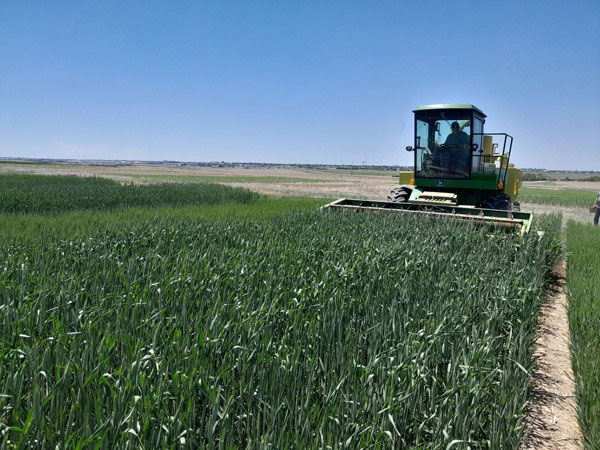 |
Kansas Cool-Season Forage Performance Tests for 2026Results from the 2026 Kansas Performance Tests for cool-season annual forage varieties are now available. Yield results from Garden City and Hays can help producers compare variety performance and make more informed selection decisions. Forage quality results will be released soon. |
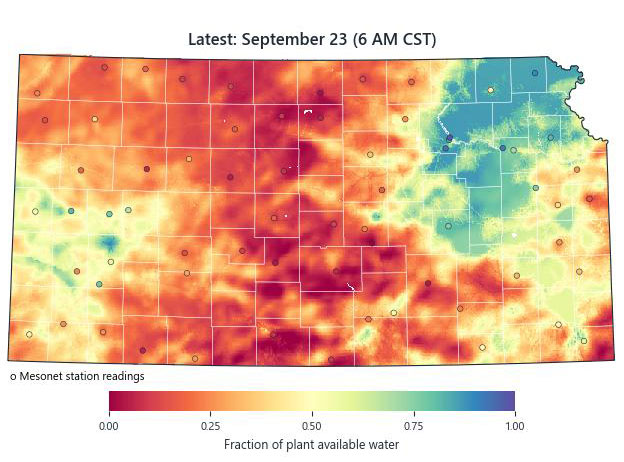 |
Kansas Soil Moisture Update – September 23, 2026The latest soil moisture maps show a mixed picture across Kansas. Rainfall improved conditions along a band from central into northeast Kansas and in portions of western Kansas, while southeast Kansas experienced notable declines. See how plant available water changed during the past week. |