Extension Agronomy eUpdate - Issue 1119: September 3, 2026
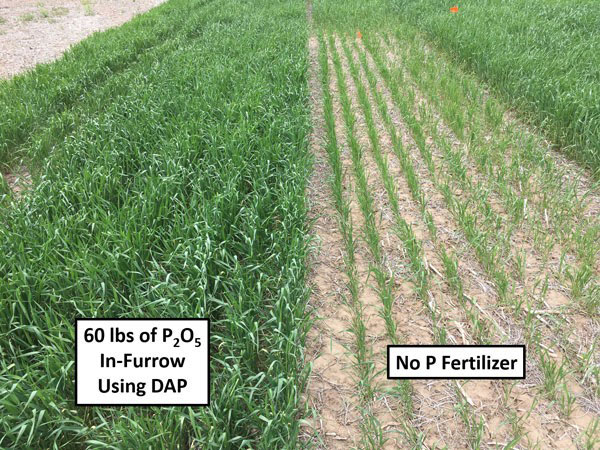 |
In-furrow Nitrogen and Phosphorus Fertilizer for WheatAs wheat planting approaches, in-furrow phosphorus can be an effective way to meet crop nutrient needs and promote early-season growth. However, fertilizer placed directly with the seed must be managed carefully to avoid seedling injury. Review K-State research and recommendations for fertilizer sources, rates, and placement. |
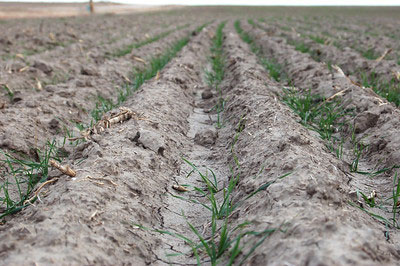 |
Kansas Wheat Variety Guide 2026 is Now AvailableChoosing a wheat variety involves more than comparing yield numbers. Disease and insect resistance and other agronomic characteristics can play an important role in how a variety performs in a particular environment. The updated Kansas Wheat Variety Guide 2026 is now available to help with those decisions. |
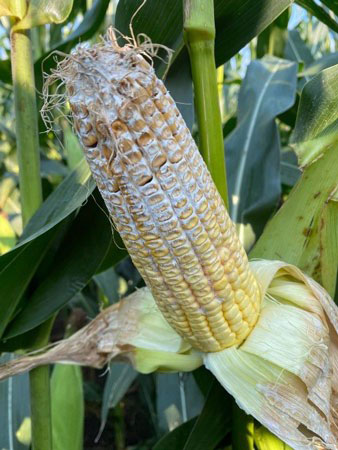 |
Corn Grain Quality: Moldy Ears, Low Test Weight, and Other IssuesAs corn harvest gets underway, some fields are showing ear and grain quality problems that could affect both marketability and storage. Moldy ears, low test weight, and pre-harvest sprouting are among the issues producers should be watching for. Learn what to look for while scouting and how timely harvest and other management practices can help reduce potential losses. |
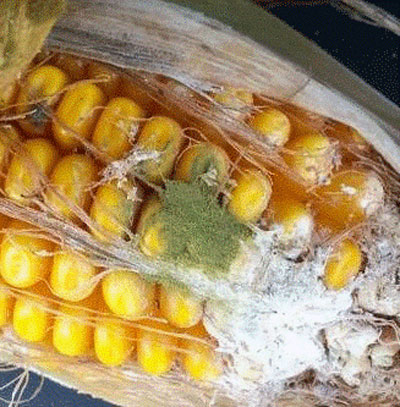 |
Aspergillus Ear Mold in CornHot, dry conditions can create favorable conditions for Aspergillus ear mold in corn, particularly in drought-stressed fields. The fungus can produce aflatoxin, making proper identification and testing especially important as harvest begins. Review the latest guidance on scouting, grain acceptance, livestock feeding, and post-harvest management. |
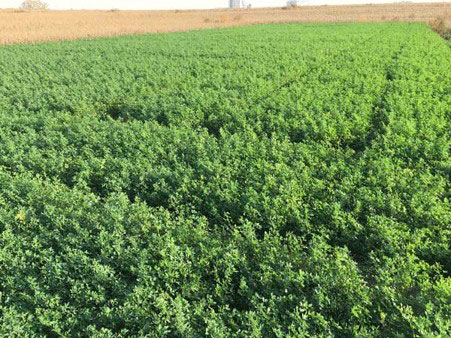 |
Alfalfa Management: Deciding When to Make the Final CutsTiming the final alfalfa cut is a balancing act between harvesting available forage and protecting next year's stand. As fall approaches, plants need enough time to replenish root reserves before winter dormancy. Learn how calendar dates and growing degree days can help guide your final cutting decisions. |
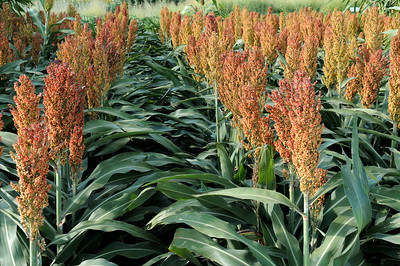 |
Grain Sorghum Yield Components and Estimating Yield PotentialNow is a good time to start evaluating yield potential in Kansas grain sorghum. While final yield depends on several interacting components, producers can use head counts, seed numbers, and expected seed weight to develop a reasonable field estimate. Follow this practical step-by-step method before harvest. |
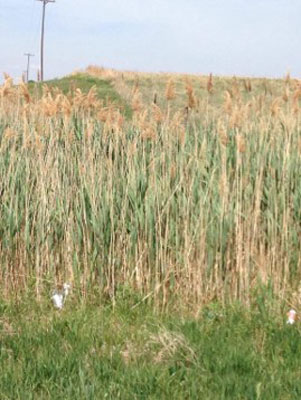 |
Managing Phragmites in Waterways, Wetlands, and RoadsidesHave you noticed dense stands of tall, reed-like grass along waterways, wetlands, or roadsides? Non-native Phragmites is increasing in Kansas, and late summer provides an important window for management. Learn how to identify invasive stands and which control strategies are most effective. |
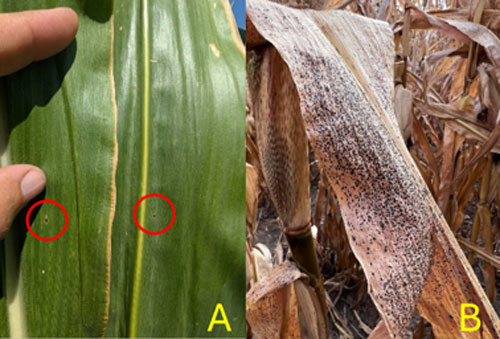 |
Late but not too late: Tar Spot Disease Management for 2027 Starts NowTar spot continues to expand in Kansas, with new detections still being reported as corn approaches harvest. While it may be too late for a fungicide application in advanced fields, scouting now can provide valuable information for planning next year's crop. Learn how field history and hybrid selection can help reduce tar spot risk in 2027. |