Extension Agronomy eUpdate-Issue 1113: July 23, 2026
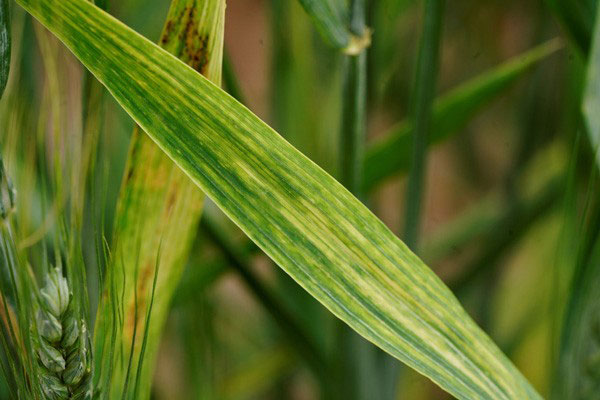 |
Wheat Streak Mosaic Management: The Role of Other Hosts in the LandscapeVolunteer wheat is the highest-risk host for wheat streak mosaic complex, but it's not the only one. This second article in the series examines how other crops, cover crops, and grassy weeds contribute to disease risk and what producers should consider when planning fall planting. |
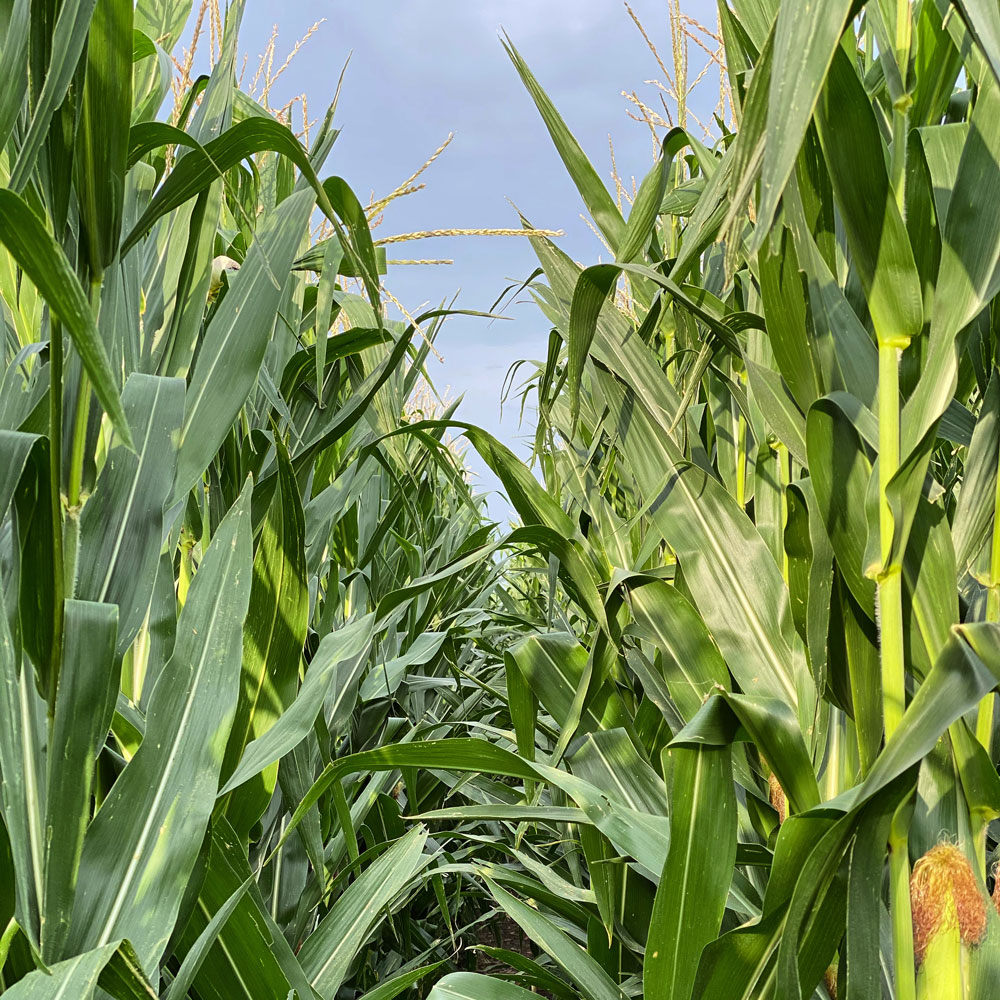 |
Estimating Corn Yield Potential Using the Yield Component MethodAs corn moves through reproductive stages, now is a good time to begin estimating yield potential. This article walks through the yield component method, explains what to evaluate after pollination, and provides a step-by-step guide for making reliable field estimates. |
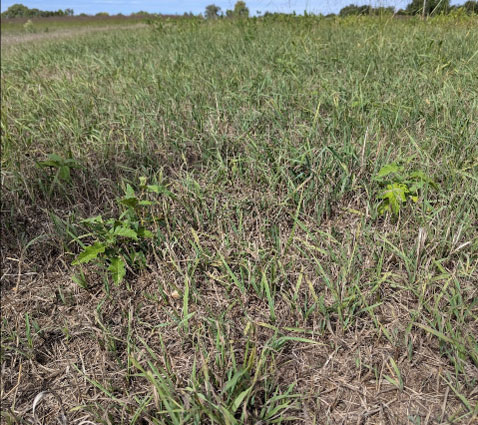 |
Summer Weed Control Options in Smooth Bromegrass Hayfields and PasturesThin smooth bromegrass stands and abundant summer weed growth are creating management challenges across Kansas. This article reviews herbicide options, application timing, and key considerations for controlling weeds while maintaining healthy bromegrass stands. |
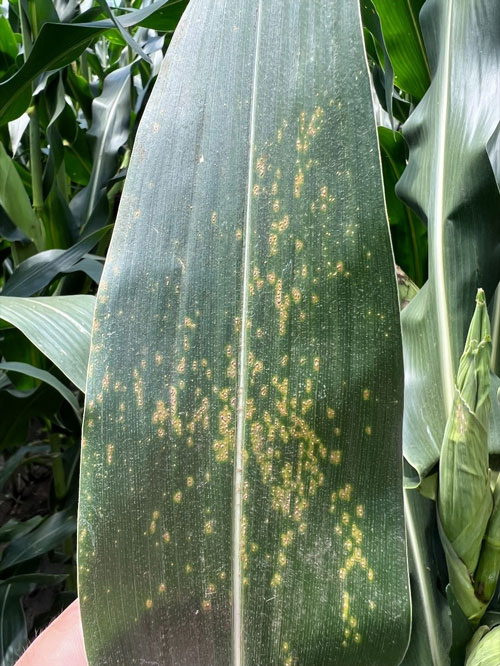 |
Southern Rust is Now Active in KansasSouthern rust has now been detected in Kansas, making timely scouting important, especially for late-planted corn. Learn where the disease has been confirmed, what symptoms to watch for, and when fungicide applications are most likely to provide a return. |
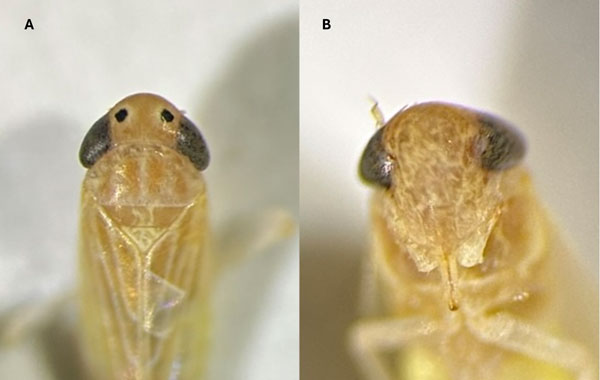 |
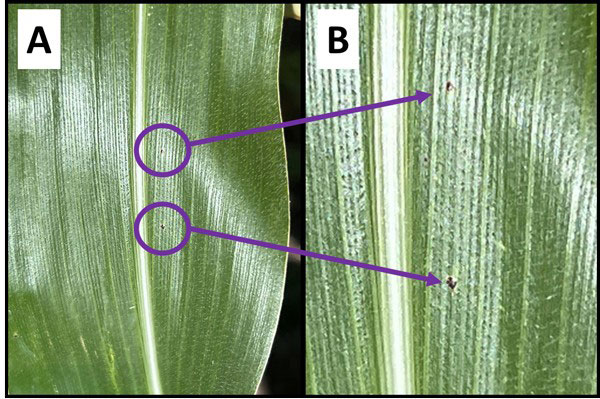
Corn Leafhoppers are Active in Central KansasCorn leafhoppers have now been confirmed in six Kansas counties, making timely scouting more important than ever. Learn how to identify this insect, understand corn stunt risk, and take advantage of K-State's free testing program and statewide monitoring efforts. |
 |
Tar Spot Update – July 21, 2026Tar spot continues to spread across Kansas, making regular field scouting essential. This update includes the latest county detections, identification tips, and recommendations for timely fungicide applications. |