Extension Agronomy eUpdate-Issue 1110: July 2, 2026
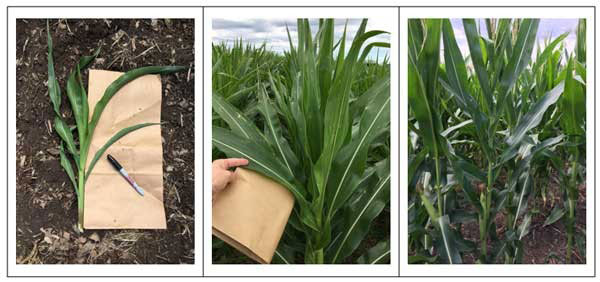 |
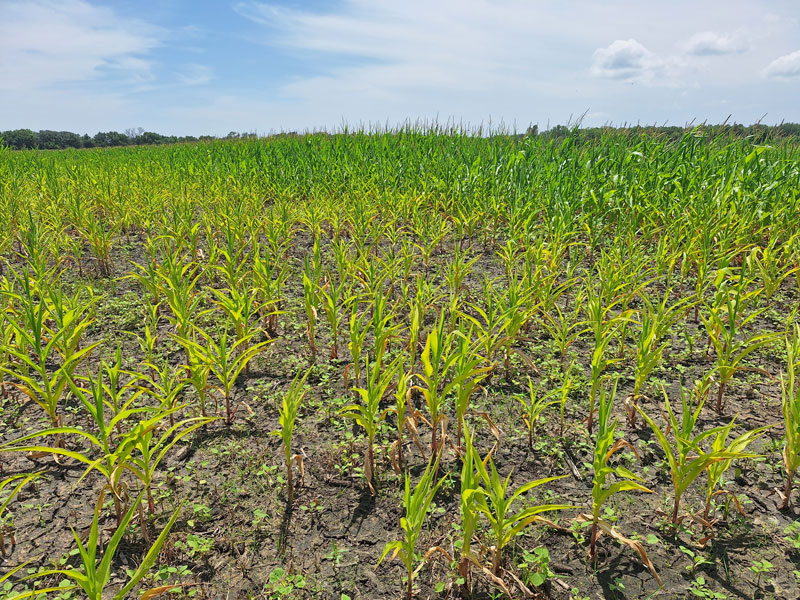
Plant Analysis for Testing Nutrient Levels in CornPlant tissue testing provides valuable insight into crop nutrition throughout the growing season. Learn the proper sampling techniques for corn, what nutrients to analyze, and how to interpret laboratory results for better nutrient management decisions. |
|
|
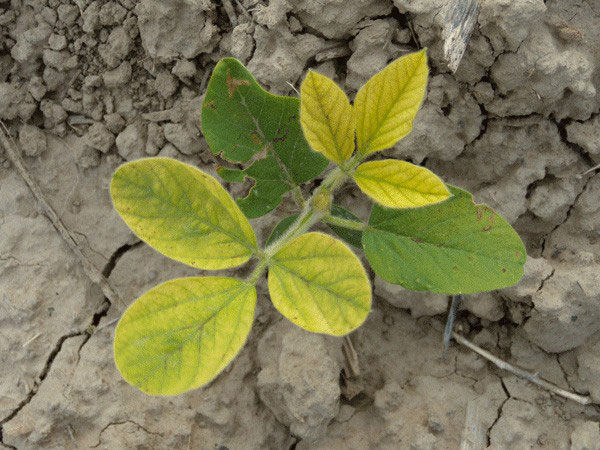
Identifying Nutrient Deficiency Symptoms in SoybeansSeeing yellow or discolored soybean leaves? This article highlights common nutrient deficiency symptoms in soybeans and explains how nutrient mobility within the plant can help identify the underlying cause. Photos of several common deficiencies are included to aid diagnosis. |
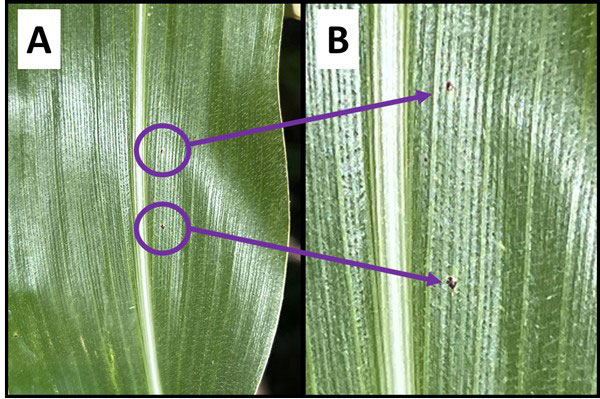 |
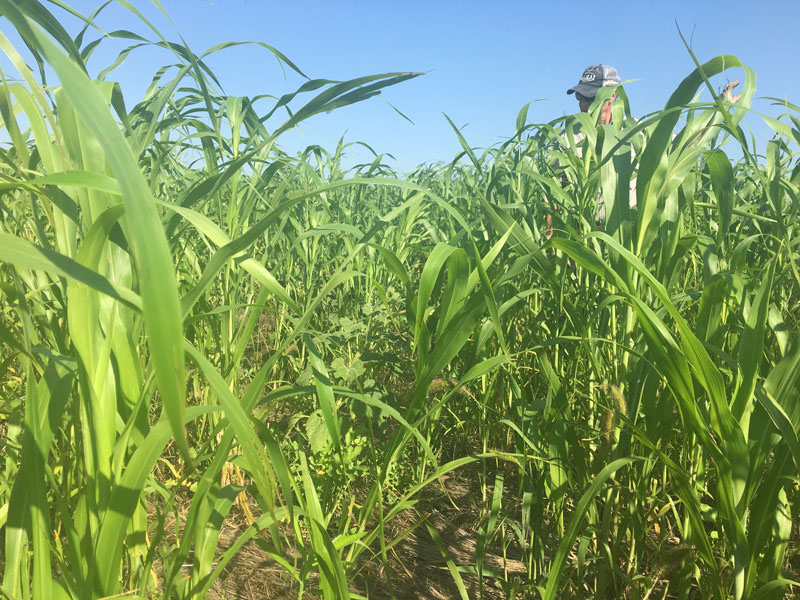
Tar Spot in Kansas – Levels Remain LowTar spot has been confirmed in additional Kansas counties, although disease pressure remains low. Don't wait until disease is widespread before scouting your fields. This article reviews identification, fungicide timing, and current disease distribution across the state. |
 |
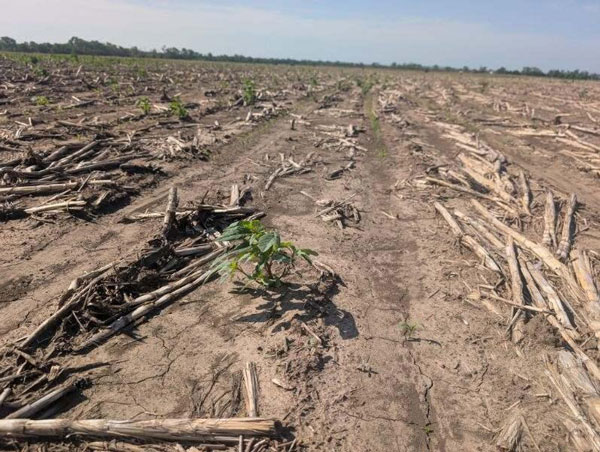
Cover Crops for Weed Suppression After Wheat HarvestCan cover crops reduce herbicide applications? Kansas research shows that well-managed cover crops can provide weed suppression while fitting into no-till production systems. Learn which species work best and how to maximize their effectiveness. |
 |
Weed Control Challenges with Delayed Grain Sorghum PlantingPlanting delays can complicate weed control in grain sorghum, where postemergence herbicide options are already limited. Learn how to adjust herbicide programs when residual activity has diminished or weeds emerge before applications can be completed. |
|
|
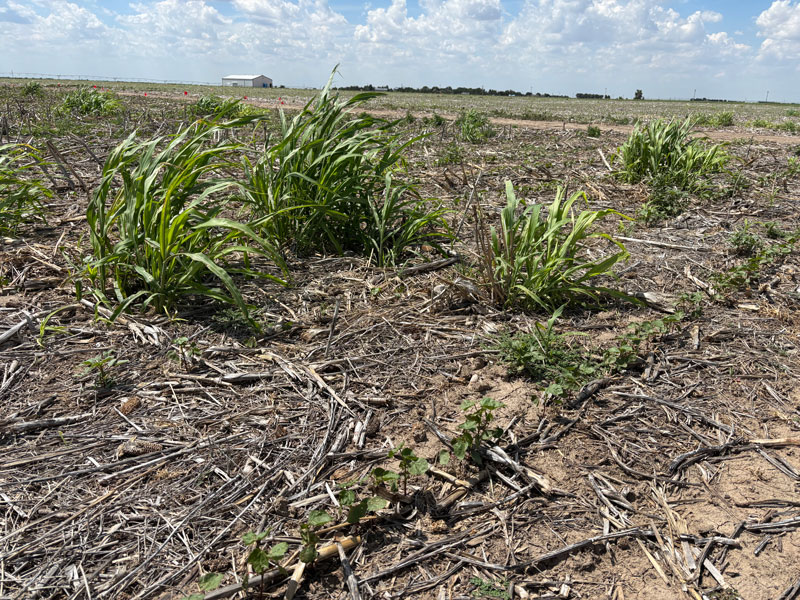
Late-Season Herbicide Applications in CornRecent rainfall has delayed postemergence herbicide applications in many Kansas corn fields, allowing weeds to continue growing. This article reviews herbicide options for corn taller than 12 inches and highlights important growth stage restrictions to consider before spraying. |
 |
Considerations for Non-Glyphosate Tolerant CottonNew cotton varieties without glyphosate tolerance are now available for Kansas producers. This article discusses the potential seed cost savings, weed management considerations, and herbicide options for successfully managing non-glyphosate-tolerant cotton. |