Extension Agronomy eUpdate - Issue 1120: September 10, 2026
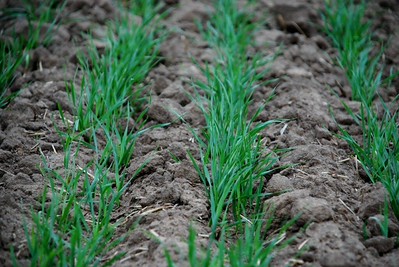 |
Wheat Planting: Tips For Good Stand EstablishmentWheat planting is just around the corner, and getting the crop off to a good start requires more than putting seed in the ground. Seeding depth, drill speed, seedbed conditions, fertility, residue management, and planting date can all affect stand establishment. Review these practical tips before the drill starts rolling. |
 |
Soybean Seed Filling and Dry Down Rate Before HarvestHow quickly will soybeans move from seed filling to harvest-ready moisture? Temperature, humidity, maturity group, planting date, and crop stress all influence the answer. Take a closer look at soybean seed development and what current Kansas conditions could mean for harvest timing. |
 |
Winter Canola: Setting the Stage for Successful EstablishmentPlanning to plant winter canola this fall? Choosing the right variety and field and preparing a firm, moist seedbed can make a significant difference in stand establishment and winter survival. This article covers the decisions producers should make before planting begins. |
 |
Winter Canola: Planting and Early-Season ManagementTiming is critical when planting winter canola - too early or too late can increase the risk of winter injury. With soil moisture currently limited in many areas, producers may have some difficult planting decisions ahead. Learn how to balance planting date with seeding practices, fertility, and early-season management. |
 |
Estimating Cotton Lint Yield from Boll CountsKansas cotton is moving quickly toward harvest, with boll opening well ahead of last year and the five-year average. Now is a good time to evaluate yield potential using representative boll counts from across the field. This article provides both quick and detailed methods for estimating lint yield. |
 |
Small Grain Forage Options For This FallNeed more forage heading into fall and winter? Fall-planted small grains can help stretch forage supplies and give perennial pastures a break, but choosing the right species depends on when and how you plan to use it. Compare oats, wheat, barley, rye, and triticale before planting. |
 |
Scout for Fall Armyworms this FallFall armyworm trap counts are climbing, and several Kansas crops could be at risk heading into fall. Scouting now can help catch infestations while caterpillars are still small and easier to manage. Check out the latest activity along with thresholds for sorghum, wheat, alfalfa, and pasture. |
Cover Crop Response to HerbicidesBefore planting a winter cover crop, take another look at the herbicides used in that field this year. Residual activity can affect cover crop establishment, and some restrictions are based on residues in forage rather than visible crop injury. This article compares likely responses of several common cover crops to corn herbicides. |
|
Conduct Soil Bioassays to Determine Herbicide Carryover PotentialConcerned that herbicide carryover could affect your next crop or fall cover crop? A simple soil bioassay can provide useful information about whether residues remaining in the field may injure emerging seedlings. Learn how to collect soil, plant the intended crop, and compare growth before committing seed to the field. |
|
 |
Summer 2026 in Kansas – The Meteorological Season in ReviewSummer 2026 brought plenty of heat to Kansas, with nearly two-thirds of the season's days averaging above normal. Rainfall was close to normal statewide, but conditions varied widely by month and location. See how this summer stacked up historically and how drought conditions changed from June through August. |