Extension Agronomy eUpdate - Issue 1116: August 13, 2026
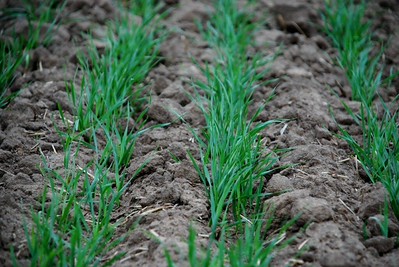 |
Planning Your Wheat Fertility Program: Start Now with Soil TestingWheat planting is just around the corner, making now the ideal time to collect soil samples and develop a fertility plan. Learn how soil testing can help optimize fertilizer investments, improve nutrient management, and maximize yield potential. |
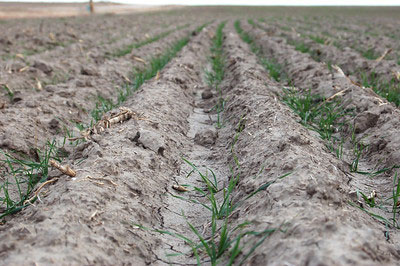 |
Soil Fertility and Wheat Production: Profile Nitrate Levels and Wheat YieldResidual nitrate in the soil profile can significantly influence wheat fertilizer needs and yield potential. Learn how profile nitrate testing can improve nitrogen recommendations, reduce unnecessary applications, and increase nitrogen use efficiency. |
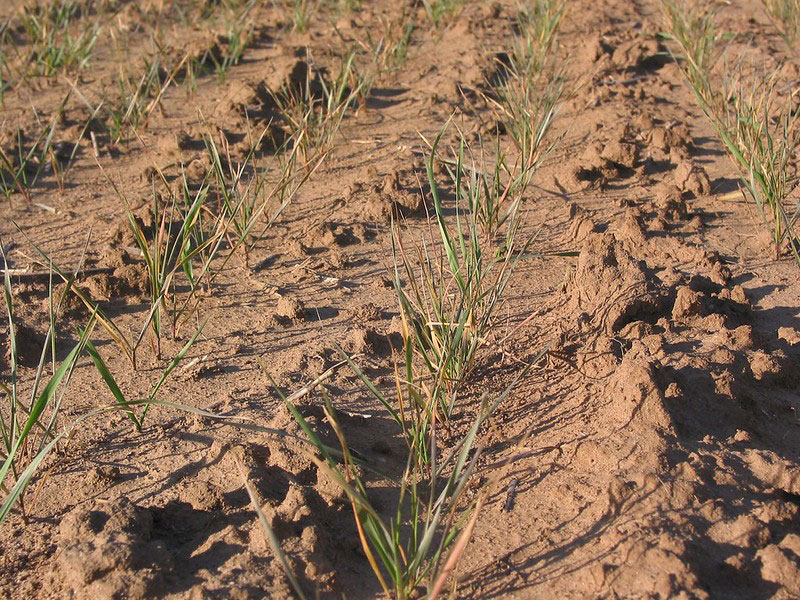 |
Soil Fertility and Wheat Production: Liming Soils for Optimum PerformanceAcidic soils can reduce wheat performance and fertilizer efficiency, but liming can help restore productivity. This article explains when lime is needed, how recommendations are determined, and what producers should consider before application. |
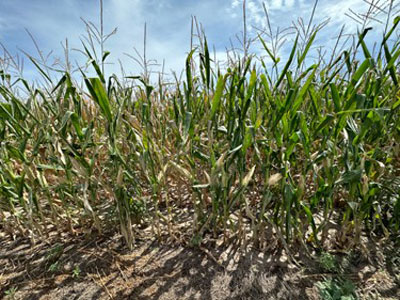 |
Be Aware of Nitrate Toxicity in Drought-Stressed ForagesDrought-stressed forages can accumulate nitrate levels that pose a serious risk to livestock. Before harvesting or grazing, learn which crops are most susceptible, when testing is recommended, and management practices that can help reduce the risk of nitrate poisoning. |
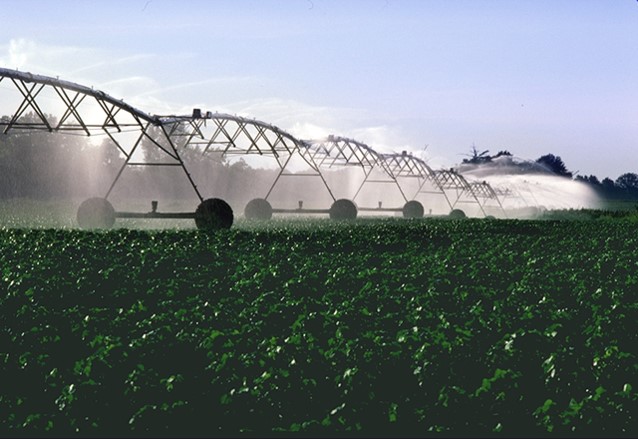 |
Final Irrigation of the Growing Season - Timing is EverythingKnowing when to shut off the pivot is one of the most important irrigation decisions of the season. This article explains how crop stage, soil moisture, and remaining crop water use can help determine the right time for a final irrigation while avoiding unnecessary water losses. |
|
|
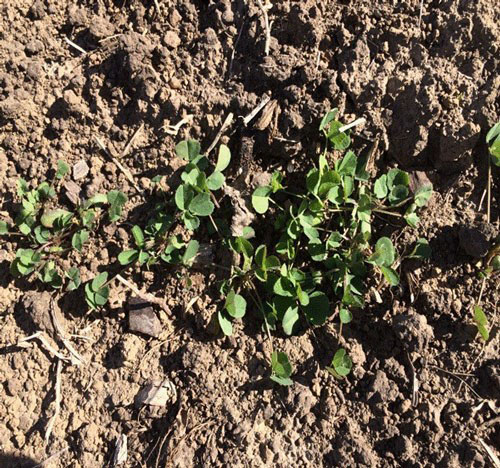
Tips for Fall Planting of AlfalfaFall can provide excellent conditions for establishing alfalfa, but success depends on proper timing and favorable soil moisture. Learn when to plant across Kansas and review key management practices that can help maximize stand establishment. |
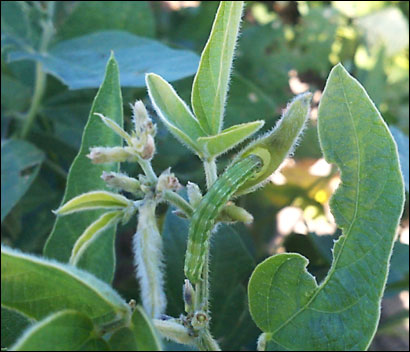 |
Soybean Pests: Bean Leaf Beetles and PodwormsBean leaf beetles and podworms are two of the most common late-season soybean pests capable of reducing yield. Learn how to identify feeding injury, scout effectively, and determine when treatment may be economically justified. |