Extension Agronomy eUpdate-Issue 1112: July 16, 2026
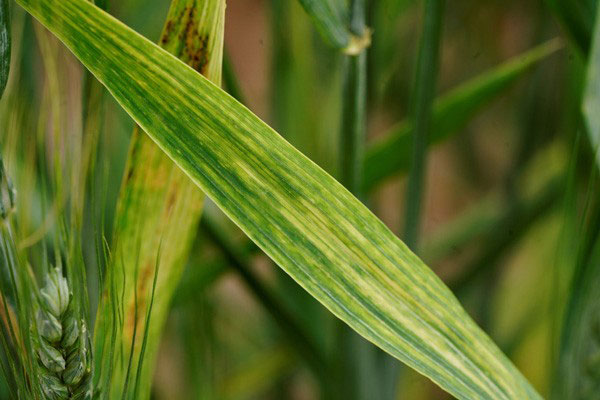 |
Wheat Streak Mosaic Management: Pay Attention to Wheat-Free WindowsHigh levels of volunteer wheat following this year's delayed harvest have created ideal conditions for wheat curl mites, making now the time to begin planning for 2027 wheat streak mosaic management. Learn why maintaining a regional wheat-free window and controlling volunteer wheat are among the most effective steps producers can take before fall planting. |
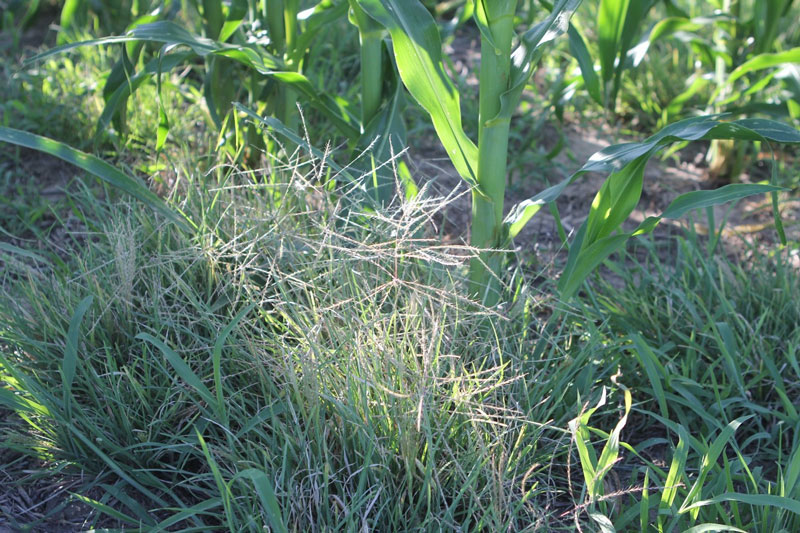 |
Control Options for Warm-Season Perennial GrassesPerennial grasses are becoming more common in long-term no-till systems, where they can be challenging to manage. Learn what K-State research has shown about herbicide timing, strategic tillage, and integrated management options for tumble windmillgrass, tumblegrass, and purple three-awn. |
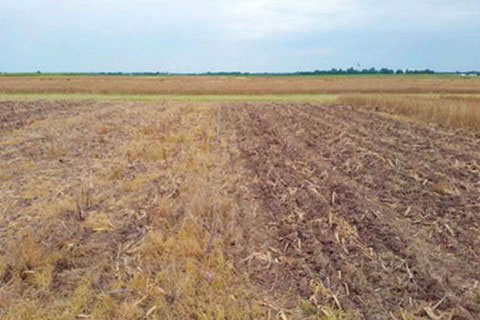 |
Strategic And Occasional Tillage as a Management Tactic in Long-Term No-Tillage SystemsCan occasional tillage improve long-term no-till systems? K-State researchers summarize years of work evaluating strategic and occasional tillage for managing difficult weeds, maintaining soil health, and protecting crop yields in western Kansas. |
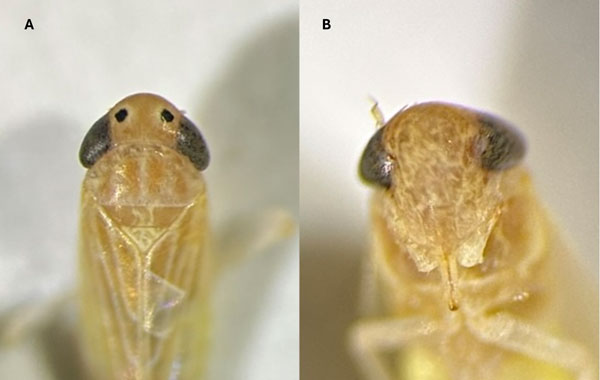 |
Corn Leafhopper Has Been Confirmed in Several Counties in KansasCorn leafhopper has now been confirmed in five counties in south central Kansas, making timely scouting more important than ever. Learn how to identify this insect, understand corn stunt risk, and access K-State's free testing program and statewide tracking resources. |
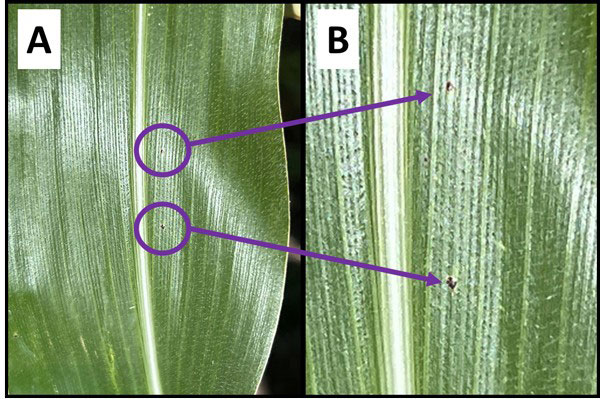 |
Update on Tar Spot in Kansas – July 16, 2026Tar spot continues to spread in Kansas, but finding the disease early is key to successful management. This update includes the latest county detections, scouting recommendations, and guidance on fungicide timing. |