Late Summer Insects to Watch for in Grain Sorghum
Sorghum seems to be very vulnerable to pests from mid-August to early September. The aphid species of concern this time of year is the sugarcane aphid (Figure 1). They have been migrating into Kansas for the past month, but so far, there have been no reports of populations requiring treatment. However, monitoring for these aphids should continue until cooler weather stops their migration into the state.
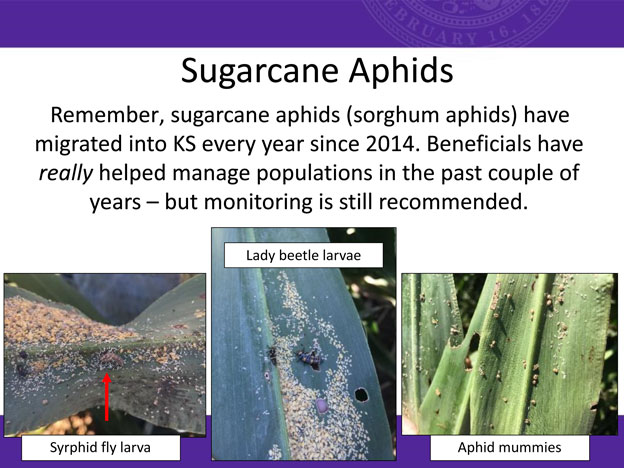
Figure 1: Sorghum (sugarcane) aphids. Graphic by Jeff Whitworth, K-State Extension.
The other pest of sorghum is the “ragworm” (Figure 2) and/or “headworm” complex. These can be corn earworms, armyworms, fall armyworms, or a combination thereof; however, corn earworms are very aggressive and usually kill all others, including their own species. “Ragworms” will feed in the whorl, taking bites out of furrowed leaves, then, when these grow out, they can present a very “ragged” appearance. Thus, the name “ragworm.”
There is no justification to spray for these “ragworms” as by the time the ragged leaves have grown out of the whorl, the worms are probably about finished feeding, and the spray will not get into the bottom of the whorl where the worms are. Also, this leaf feeding has never been shown to affect yield, as the plants are very good at overcoming this leaf damage.
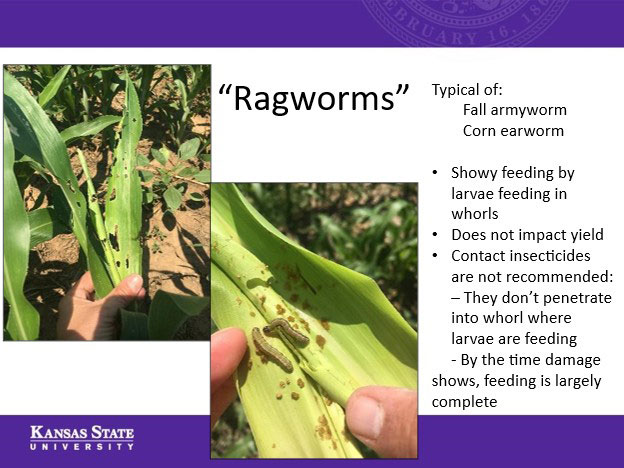
Figure 2: Ragworm larvae and signs of plant damage. Graphic by Jeff Whitworth, K-State Extension.
These same species will then pupate and emerge as adults, depositing eggs on developing sorghum heads between flowering and soft dough. When these eggs hatch, the small larvae immediately start feeding on the developing kernels (Figure 3) and can cause 5% loss/worm (Figure 4).
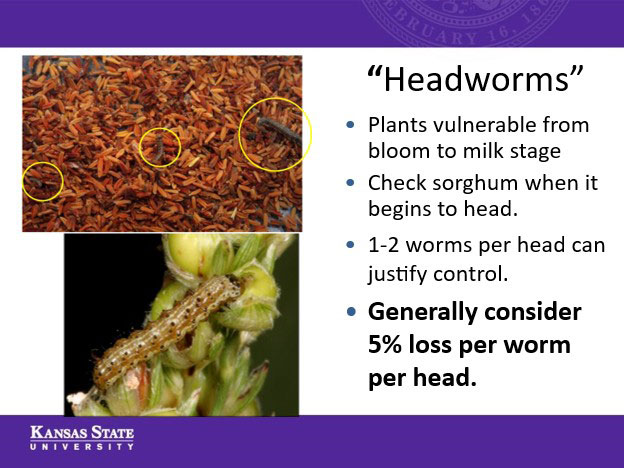
Figure 3: Headworms. Graphic by Jeff Whitworth, K-State Extension.
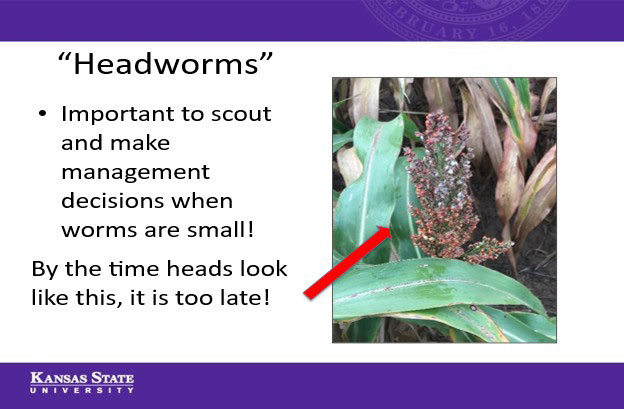
Figure 4. Scouting early for headworms is important. Graphic by Jeff Whitworth, K-State Extension.
For more information relative to sorghum insect pest management, please refer to the K-State 2026 Sorghum Insect Pest Management Guide.
Jeff Whitworth, Extension Entomologist
jwhitwor@ksu.edu