Garden Symphylan: A New Pest in No-Till Crops in Kansas?
Garden symphylans (GS), often mistaken for small centipedes, have been reported throughout Kansas for many years, primarily among backyard gardeners. However, in the past 2 years, and especially this year, there have been several reports of GS. All reports so far have come from no-till organic producers.
Garden symphylans are small (approximately 0.25 inches long) with 6-12 pairs of legs depending on age, and whitish in color (Figure 1). They live in the soil and are considered omnivores, meaning they can feed on seeds, seedlings, roots, plant parts, and decaying vegetation. Typical damage is small holes in roots and/or seedling stems, resulting in wilted or stunted plants (Figure 2). Insecticide-treated seeds or planting-time insecticide applications should control these small arthropods, which is why reports of these pests are often associated with organically produced crops.
However, GS may also infest alfalfa. If small areas in an alfalfa field seem to be perennially stressed, the roots should be inspected for small feeding sites and/or scars or the small whitish symphylans themselves. If populations of garden symphylans are suspected and/or confirmed, please email Jeff Whitworth at jwhitwor@ksu.edu.
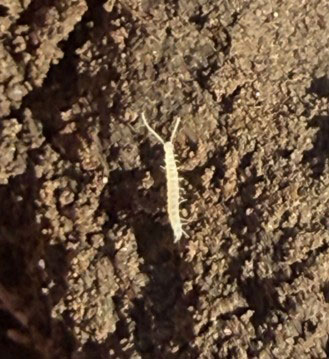
Figure 1. Garden Symphylan. Photo by Justin Salisbury.
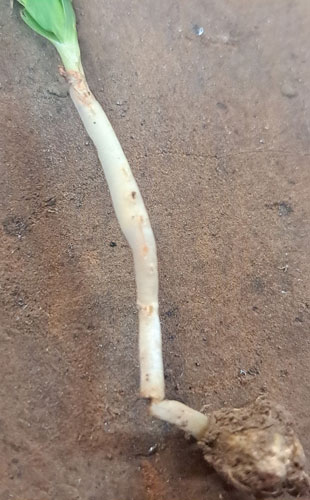
Figure 2. Plant damage from Garden Symphylan. Photo by Justin Salisbury.
Jeff Whitworth, Entomology Extension Specialist
jwhitwor@ksu.edu